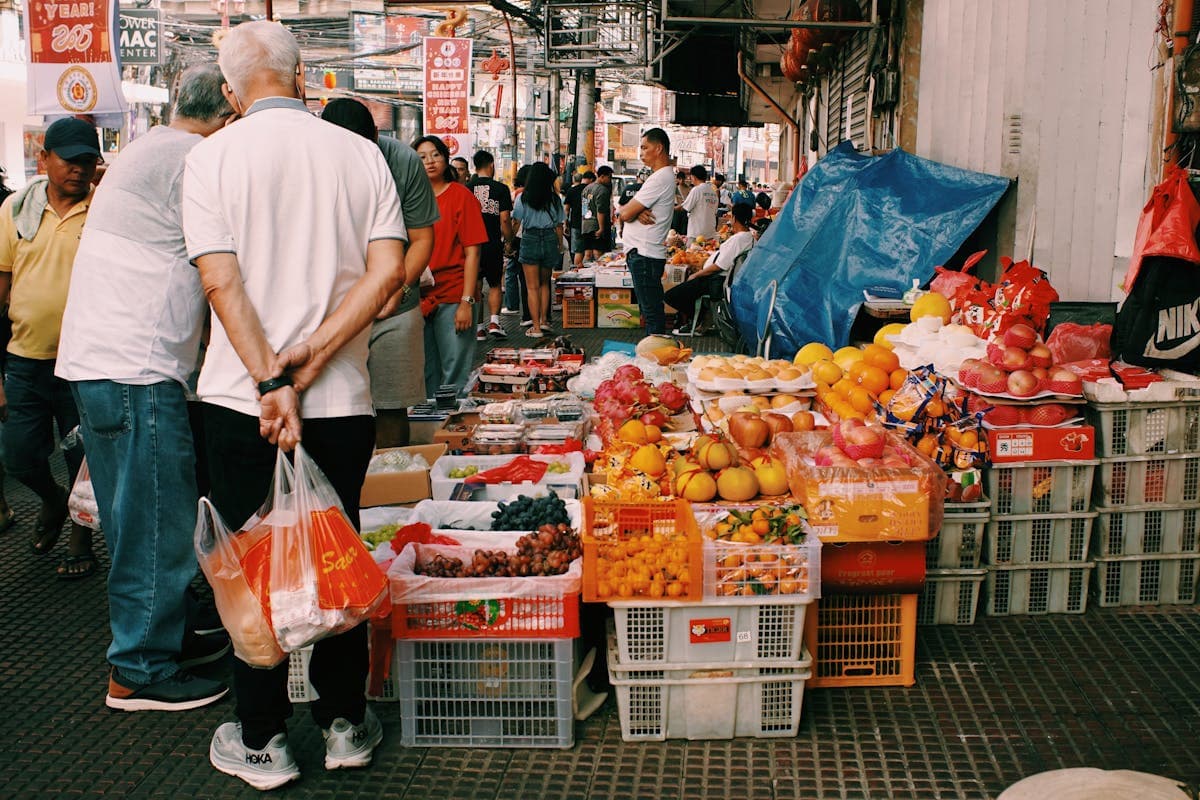
Moving to Siem Reap from a Western country means keeping 70% of your budget in your pocket every single month. That figure is based on real numbers: a comfortable life in Siem Reap costs $1,000/month, compared to $3,500+ in most European or North American cities. This article breaks down every line of that budget so you can plan your move with full clarity.
These are April 2026 prices, verified by expats and digital nomads living in Siem Reap. Every number comes from direct experience — rent contracts, restaurant bills, utility invoices. The US dollar is the daily currency here, which means you see exactly what you spend with zero conversion guesswork.
70%
Cost reduction vs. West
$1,000
Comfortable monthly budget
USD
Daily currency
$600
Minimum monthly budget
Complete Monthly Budget Breakdown
Here is every expense category for a single person living in Siem Reap in 2026. Each category shows the realistic range from budget-conscious to comfortable spending. All prices are in USD — the currency used for 90% of daily transactions in Cambodia.
The ranges below reflect actual costs in April 2026. Budget figures represent mindful spending with local choices. Comfort figures represent a Western-standard lifestyle with modern amenities.
Rent & Housing
A furnished one-bedroom apartment in a quiet residential area like Sala Kamroeuk or Svay Dangkum costs $250-350/month. In the Old Market area or a modern serviced apartment, expect $400-600. Most leases are month-to-month or 6-month contracts. Deposits are typically one month's rent.
$300
Budget
$500
Comfortable
Food & Groceries
Street food and local restaurants serve full meals for $1.50-3. Western restaurants charge $5-12 per dish. A weekly market shop for fresh produce, rice, and essentials runs $15-25. Supermarkets (Lucky Market, Angkor Market) stock imported goods at 20-40% above local prices.
$150
Budget
$300
Comfortable
Transport
Renting a scooter costs $50-70/month and covers all local travel. Fuel is approximately $1.20/liter. Tuk-tuks charge $1-3 per trip within the city. Grab (ride-hailing) is available with similar pricing. Buying a secondhand scooter ($400-800) pays for itself within 8 months.
$50
Budget
$80
Comfortable
Internet & Phone
Fiber internet at 50-100 Mbps costs $20-30/month from providers like Opennet or SINET. A local SIM card with 30GB+ data runs $5-8/month (Smart, Cellcard, Metfone). Cafes and coworking spaces offer reliable Wi-Fi throughout the city. Starlink is also available at $30/month.
$25
Budget
$30
Comfortable
Health & Wellness
A gym membership costs $25-40/month. A doctor visit at Royal Angkor International Hospital runs $20-50. Basic dental cleaning is $15-30. Local health insurance costs $40-80/month. Yoga classes are $5-8 per session. Pharmacy prices for common medications are 50-80% lower than Western countries.
$50
Budget
$100
Comfortable
Entertainment & Social
Draft beers cost $0.50-1.50, cocktails $3-5. A massage runs $7-12 for a full hour. Temple passes (Angkor Wat) cost $62 for a one-week pass. Coworking space memberships are $50-100/month. Evening markets, live music venues, and cultural events are abundant and affordable.
$100
Budget
$200
Comfortable
Visa (Amortized)
The E-class visa costs $35 for 30 days on arrival. A 12-month extension (EB business visa) costs $290-310, which breaks down to $25/month. Visa runs to the Thai or Vietnamese border are another option at $30-50 per trip. The EG extension (general) is also available at similar rates.
$25
Budget
$30
Comfortable
Total Monthly Budget
$700 – $1,340
These totals cover all essential and lifestyle expenses for a single person. Most comfortable expats report spending $900-1,200/month for an excellent quality of life.
3 Real Budget Profiles: From Backpacker to Premium
Every person's budget looks different depending on lifestyle priorities. Here are three tested profiles based on real expat spending patterns in Siem Reap. Each profile includes a detailed line-by-line breakdown.
The Budget Traveler
$600/moShared housing or a basic studio, local food, a bicycle or walking, minimal entertainment spending. This profile suits long-term backpackers, volunteers, and travelers extending their stay. You eat at local markets, drink draft beers at happy hour, and explore temples on a rented bicycle.
| Category | Amount |
|---|---|
| Rent & Housing | $200 |
| Food & Groceries | $120 |
| Transport | $30 |
| Internet & Phone | $15 |
| Health & Wellness | $35 |
| Entertainment & Social | $75 |
| Visa (Amortized) | $25 |
| Total | $600 |
The Comfortable Digital Nomad
$1,000/moA modern one-bedroom apartment with air conditioning, a mix of local and Western food, a rented scooter, coworking membership, gym, and a healthy social life. This is the sweet spot for most digital nomads — you live well, eat well, and still save money every month.
| Category | Amount |
|---|---|
| Rent & Housing | $400 |
| Food & Groceries | $250 |
| Transport | $70 |
| Internet & Phone | $30 |
| Health & Wellness | $80 |
| Entertainment & Social | $150 |
| Visa (Amortized) | $30 |
| Total | $1,000 |
The Premium Lifestyle
$1,500/moA spacious serviced apartment or villa with a pool, regular Western dining, a purchased scooter (amortized), international health insurance, frequent temple visits, spa treatments, and weekend trips. This profile delivers a lifestyle that would cost $4,000-5,000/month in Europe.
| Category | Amount |
|---|---|
| Rent & Housing | $600 |
| Food & Groceries | $350 |
| Transport | $80 |
| Internet & Phone | $35 |
| Health & Wellness | $150 |
| Entertainment & Social | $250 |
| Visa (Amortized) | $35 |
| Total | $1,500 |
Siem Reap vs. 4 Popular Nomad Cities
How does Siem Reap stack up against other popular digital nomad destinations in 2026? This comparison uses median comfortable lifestyle costs for a single person, covering rent (1BR apartment), food, transport, and lifestyle expenses.
| City | 1BR Rent | Food/mo | Total/mo | vs. Siem Reap |
|---|---|---|---|---|
| Siem Reap, Cambodia | $350 | $200 | $1,000 | Baseline |
| Chiang Mai, Thailand | $450 | $280 | $1,350 | +35% |
| Da Nang, Vietnam | $500 | $250 | $1,400 | +40% |
| Bali, Indonesia | $550 | $300 | $1,600 | +60% |
| Lisbon, Portugal | $1,200 | $450 | $2,800 | +180% |
All figures are April 2026 estimates for a single person with a comfortable lifestyle. Siem Reap consistently ranks as the most affordable option while offering fast internet, a strong expat community, and world-class cultural experiences.
The USD Advantage: Earn in Dollars, Spend in Dollars
Cambodia is one of the few countries in Southeast Asia where the US dollar is the de facto currency. Restaurants, landlords, supermarkets, and even street vendors quote prices in USD. This is a significant advantage for anyone earning in dollars — your income and expenses are in the same currency.
ATMs dispense US dollars directly. Bank transfers from US accounts arrive in USD. There is zero currency conversion cost for dollar earners. The Cambodian Riel (KHR) is used only for small change under $1, at a stable rate of 4,000 KHR = $1 that has held steady for over a decade.
For European earners, the strong euro-to-dollar rate in 2026 adds an extra 5-8% purchasing power. For Australian, Canadian, or British expats, the dollar economy means you only track one exchange rate instead of two.
USD ATMs Everywhere
All ATMs dispense US dollars. ABA Bank and ACLEDA Bank ATMs are on every major street. Withdrawal fees are $4-5 per transaction.
Accepted Everywhere
From street food carts to luxury hotels, USD is the standard. Credit cards are accepted at most restaurants and shops in the city center.
Stable Pricing
Dollarized economy means prices stay predictable. Annual inflation in Siem Reap averages 2-3%, similar to most Western economies.
8 Proven Ways to Save Even More
These tips come directly from long-term expats who have optimized their spending in Siem Reap. Each one delivers measurable savings you can apply from your first month.
Negotiate a 6-Month Lease
Landlords offer 10-20% discounts for 6-month or 12-month commitments. A $400 apartment drops to $320-360/month with a longer lease. Always negotiate — it is expected and welcomed.
Eat Local 5 Days a Week
Local Khmer restaurants serve generous portions for $1.50-3. Eating local for weekday lunches and dinners saves $150-200/month compared to Western restaurants for every meal.
Buy a Scooter Instead of Renting
A reliable secondhand Honda Dream costs $400-600. Monthly fuel is $15-25. Compared to $60/month rental, you break even in 7-8 months. When you leave, you sell it for 70-80% of purchase price.
Get the Annual Visa Extension
The 12-month EB extension at $290-310 saves $10-30/year compared to quarterly renewals. It also saves 4 trips to the immigration office — that is 4 half-days you keep for productive work.
Join a Local Gym
Local gyms charge $25-35/month with full equipment. International-branded fitness centers charge $60-80. The equipment quality difference is minimal — the savings are real.
Shop at the Old Market for Produce
Fresh fruits, vegetables, and fish at Phsar Chas (Old Market) cost 40-60% less than supermarkets. Saturday morning trips to the market save $30-50/month on groceries.
Use a Khmer SIM with Data Pack
A Smart or Cellcard SIM with 50GB monthly data costs $6-8. Combined with home Wi-Fi ($20-25), you have full connectivity for under $30/month total. International roaming plans cost 3-5x more.
Master the Happy Hour Circuit
Most bars on Pub Street and around the Old Market offer $0.50 draft beers and $2-3 cocktails from 4-7 PM. Planning social events around happy hours cuts drink spending by 50-60%.
Applying all 8 tips can reduce your monthly spending by $200-350. A comfortable lifestyle at $800/month is achievable with these optimizations — that is $9,600/year for an excellent quality of life in one of Asia's most culturally rich cities.
Your Siem Reap Budget: Clear, Predictable, Affordable
The numbers tell a compelling story: a comfortable life in Siem Reap costs $900-1,200/month, including rent, food, transport, health, entertainment, and visa. That represents a 60-70% reduction compared to cities like Lisbon, Berlin, or Austin — with a richer cultural experience and year-round warm weather.
The dollarized economy eliminates currency risk for USD earners. The stable cost structure means your budget stays predictable month after month. And the low baseline means even months with extra spending (temple visits, weekend trips, dining out more) stay well within reasonable limits.
Whether you choose the $600 budget path, the $1,000 comfortable lifestyle, or the $1,500 premium experience, Siem Reap delivers exceptional value. The 650+ expats who have made this city home confirm it: your money goes further here than almost anywhere else in the world.
Plan Your Siem Reap Budget Today
Use our interactive cost-of-living calculator or explore the digital nomad guide to start planning your move.
Frequently Asked Questions
What is the minimum monthly budget to live in Siem Reap in 2026?
Is Siem Reap cheaper than Chiang Mai for digital nomads?
Can I use US dollars everywhere in Siem Reap?
How much does a one-bedroom apartment cost in Siem Reap?
What are the visa costs for staying long-term in Cambodia?
Is international health insurance necessary in Siem Reap?
How fast is internet in Siem Reap for remote work?
What is the best area to live in Siem Reap for expats?
How much should I budget for food per month in Siem Reap?
Can I live in Siem Reap on $1,000/month comfortably?
What hidden costs should I plan for when moving to Siem Reap?
Is Siem Reap getting more expensive?
Related Articles
Published by Siem Reap Hub
The community guide for expats and travelers in Siem Reap, Cambodia.
Built by a French engineer based in Siem Reap since 2025, combining AI analysis (Claude, RAG pipelines) and Google Maps data to assemble the most complete local directory — 5,300+ verified businesses. No sponsored placements, no paid content.